

I’m an optimist, so let's start with the good stuff because it matters.
This year, and every year since I started Tech Brews, I'm thankful for the business owners I get to work with right here in Northeast Ohio and beyond. You answer my questions, you take my advice, and you even laugh at my jokes, which is great.
Now, let's talk turkey.
Why scammers love the holidays
Sadly, scammers aren't taking time off; they're often working overtime, and November and December are the perfect storm. Professional and personal Inboxes are overflowing, packages are on the way, year-end invoices are flying around, half your team is distracted, and the boss is traveling.
That's exactly when a fake email works best. However, I have good news: you don't need fancy software to stop most of these. You need a few habits, and, shameless plug, maybe a good IT guy who knows how to stop this stuff in its tracks.
Here are five ways to help you recognize and proactively respond to holiday scams.
1. Pause when something feels urgent

"Your account will be closed in 24 hours." "Payment needed today." "Act now." Urgency is the oldest trick in the book. Real companies rarely threaten you by email, so take a breath, wait a minute, and really think through what is being asked. CISA has some good guidelines for stopping these attacks early.
2. Check the sender, not just the name
Anyone can make an email say "Amazon" or "Your Bank" or "Kevin." The name is the easy part to fake. The actual address is harder. You’ll want to look at what's after the @ sign. If it looks odd, misspelled, random, or unfamiliar, delete it.
An email setting called DMARC helps prove an email really came from your business. Check out this easy tool to see if your domain is set up correctly! No email follow-ups or sales pitches, just a good old-fashioned test!
If you’re unsure, I would be happy to take a look. You can email me here.
3. Hover first, then click
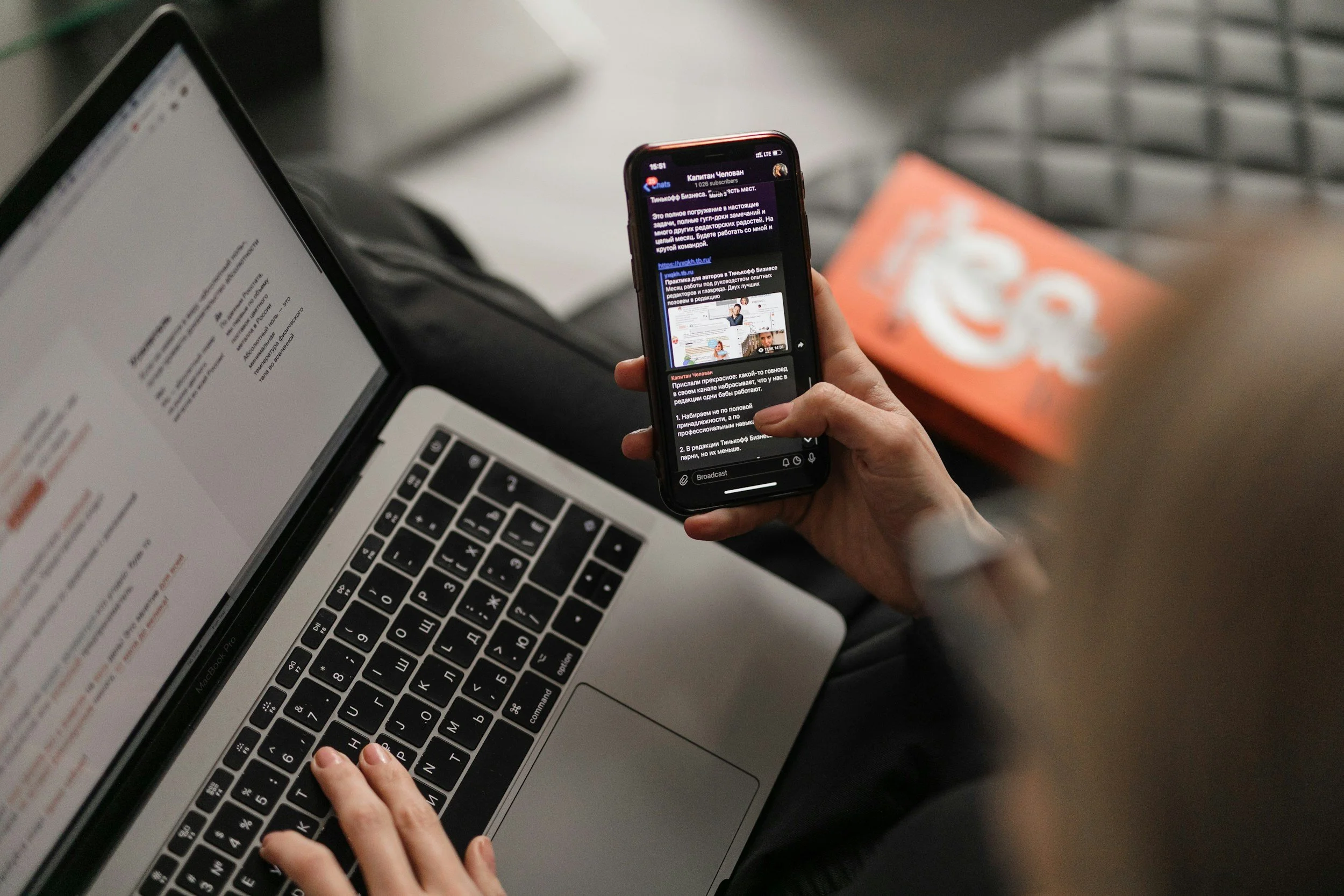
On a computer, hold your mouse over a link without clicking. The real destination pops up. If it doesn't match what the email claims, don't click. On your phone, press and hold the link to preview it first. If it feels legitimate and safe, go ahead and proceed. If you still have questions, it’s best not to click it. Escalate it to a professional to do your due diligence. Early reporting makes a big difference, even if the link ends up being okay.
4. Verify money requests a second way
You’ve probably seen asks for a new bank account for an invoice, a rush wire transfer, a "can you handle this for me?" note from the boss. These are a part of normal daily operations for many small businesses, but a second check never hurts, especially when money is involved. Pick up the phone and call the person using a number you already have on file. Do not use the number listed in the email. Two minutes of checking can save thousands of dollars and your reputation!

5. Gift card requests are always a no
If "the boss" emails asking you to buy gift cards, it's almost always a scam, but it’s most believable during the holidays. Seriously! Don’t do it.
A quick story
Yes, these things happen to everyone. I’ve seen the gift card emails trick folks who you would think knew better. The payment link, the shipping notification time, just when you’re expecting something. I’ve even fallen for some over the years. Well-formed emails arrive right when I'm busy, distracted, and just trying to move on. The sense of dread is real. Realizing what you just did and doing your best not to freak out. Stick to your plan for handling these situations, and it will usually keep a bad situation from getting worse. You do have a plan, right?
What if someone already clicked?
It happens all the time. To smart people, tech-savvy people, to everyone. No one is safe when attackers know you’re at your most vulnerable, and with AI, these scams are getting harder to recognize. Tell someone right away, because speed matters more than embarrassment. Change the password for that account, and call your IT person. Make sure your team knows they won't get in trouble for speaking up. The business that says "I clicked something weird" is the business that recovers fast.
Pro tip: Include this in onboarding and training, and it helps you comply with insurance guidelines if you ever need to file a claim for a cybersecurity incident.

Be thankful, stay careful
Pass this along to your team before the holiday rush hits. Five minutes now beats five days (or more) of cleanup later.
Want to see where your own setup stands? The IT Gap Check is a free, self-guided way to find the gaps. No mailing list. No sales pitch. Just honest answers.
Have a question or want a hand getting started? Get in touch here, and I'll be happy to give you the best guidance for your unique situation.
Happy Thanksgiving!

About the author: Kevin Dutkiewicz is the founder of TechBrews, providing practical IT and cybersecurity guidance to small businesses in Stow and across Northeast Ohio.